
January 17- February 15, 2026
Opening Event
Saturday, January 17
Curator Walkthrough
4:30 – 5:00 p.m.
Reception
5:00 – 7:00 p.m.
Opening Event
Saturday, January 17
Curator Walkthrough
4:30 – 5:00 p.m.
Reception
5:00 – 7:00 p.m.
Noor Abuarafeh
Disobedience Archive
Shadi Harouni
Laura Larson
MoRE
Zora Murff
Gala Porras-Kim
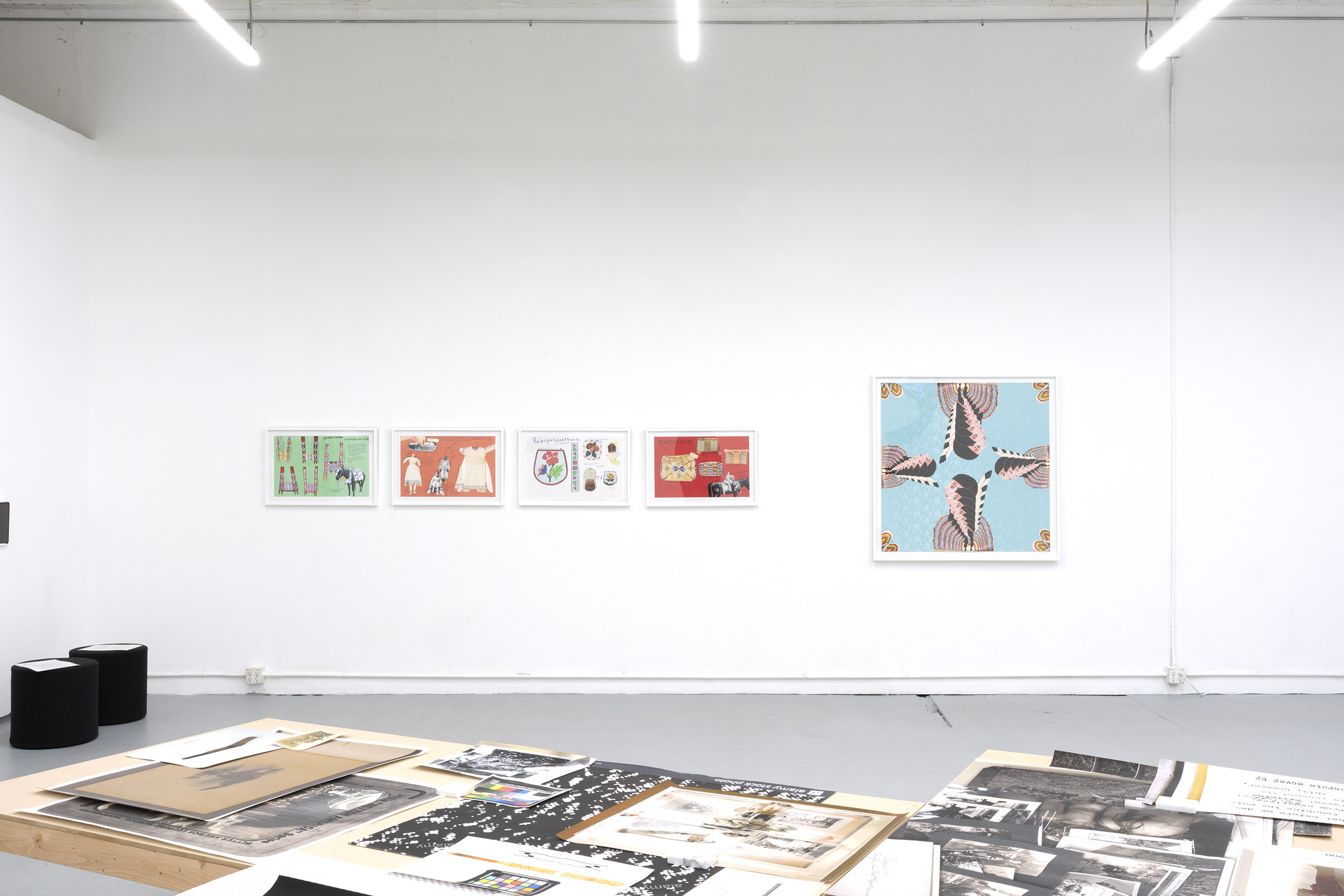
Wendy Red Star
Service Works
Stephanie Syjuco
Disobedience Archive
Shadi Harouni
Laura Larson
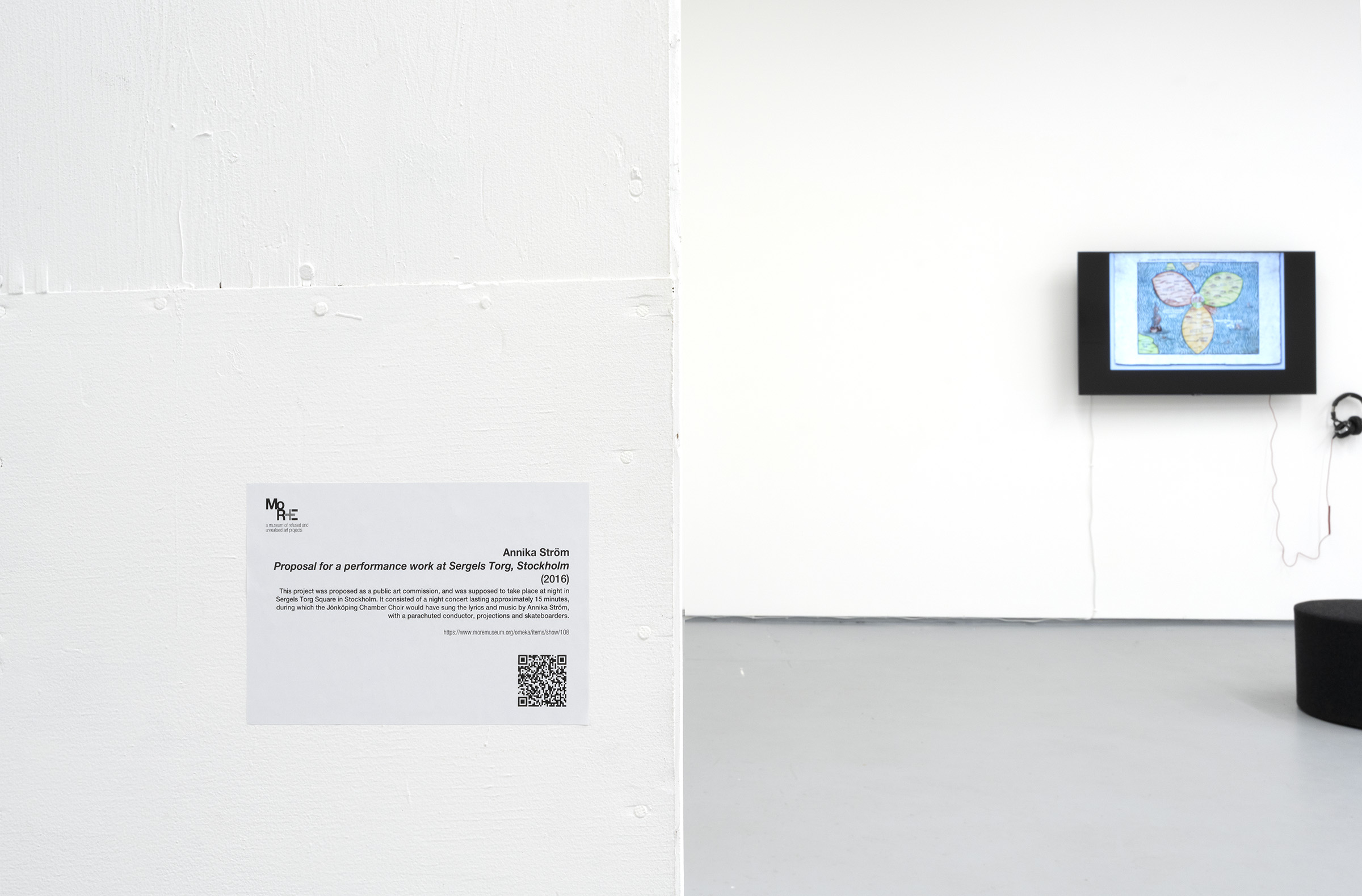
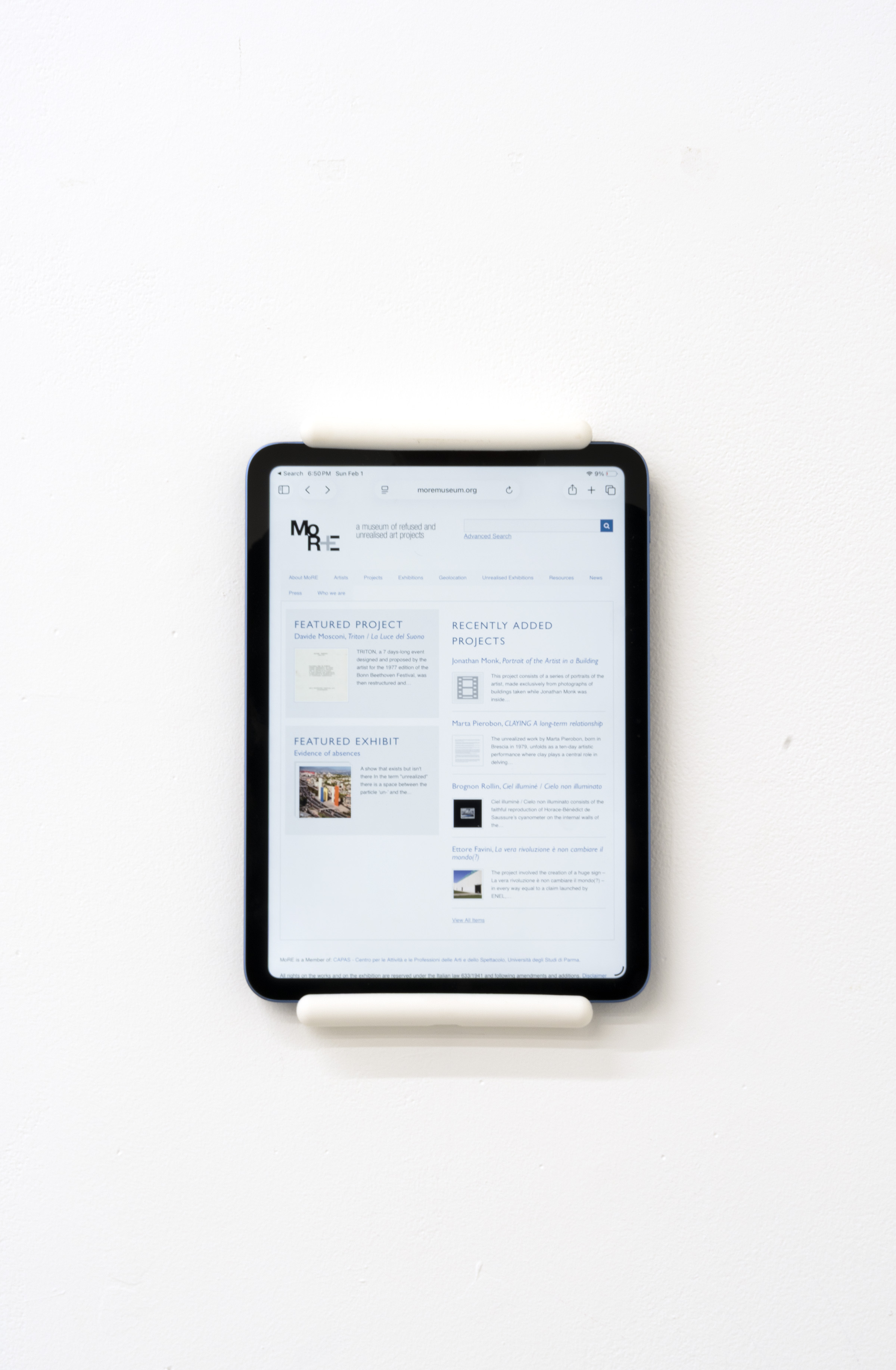
MoRE
Zora Murff
Gala Porras-Kim
Wendy Red Star
Service Works
Stephanie Syjuco


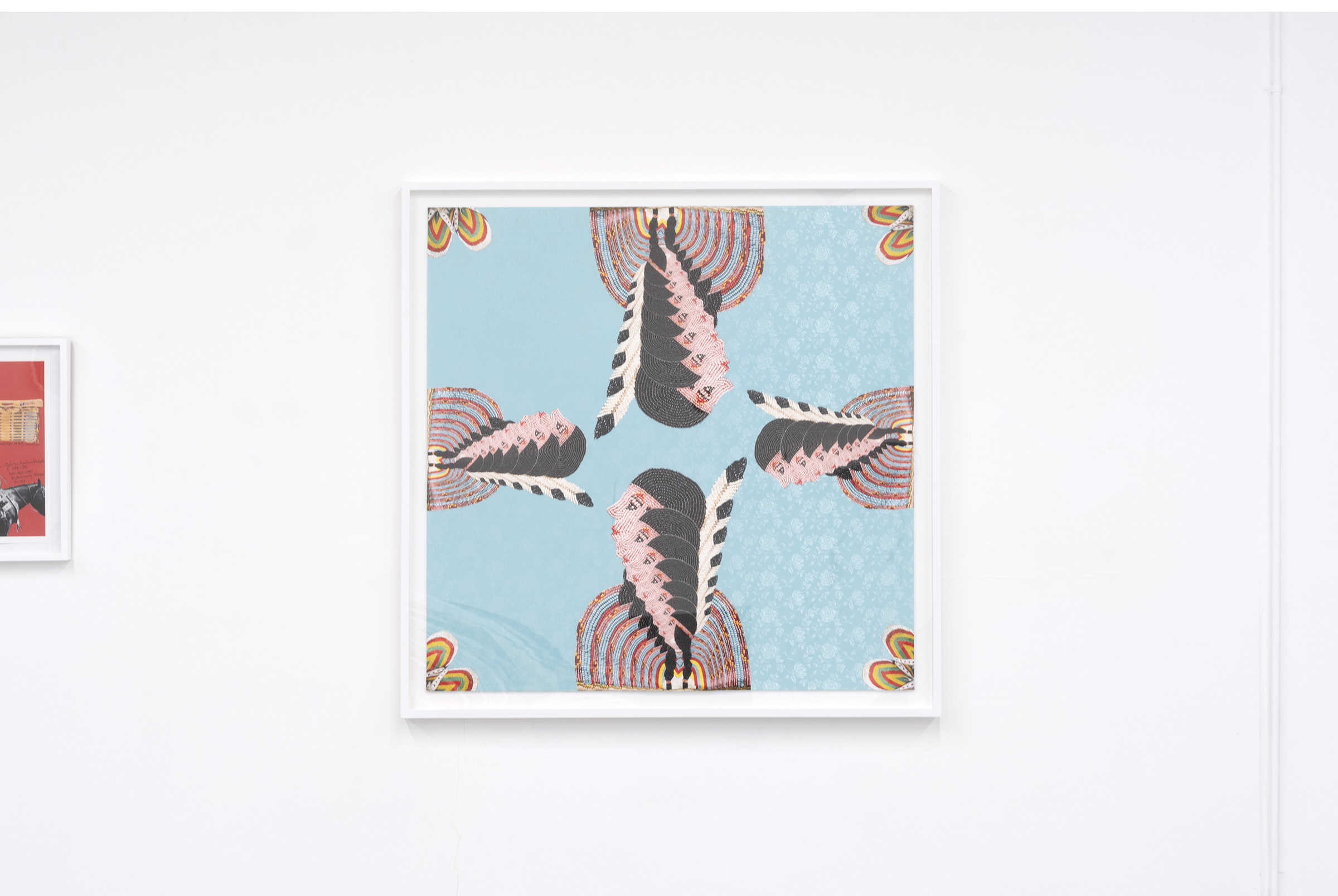
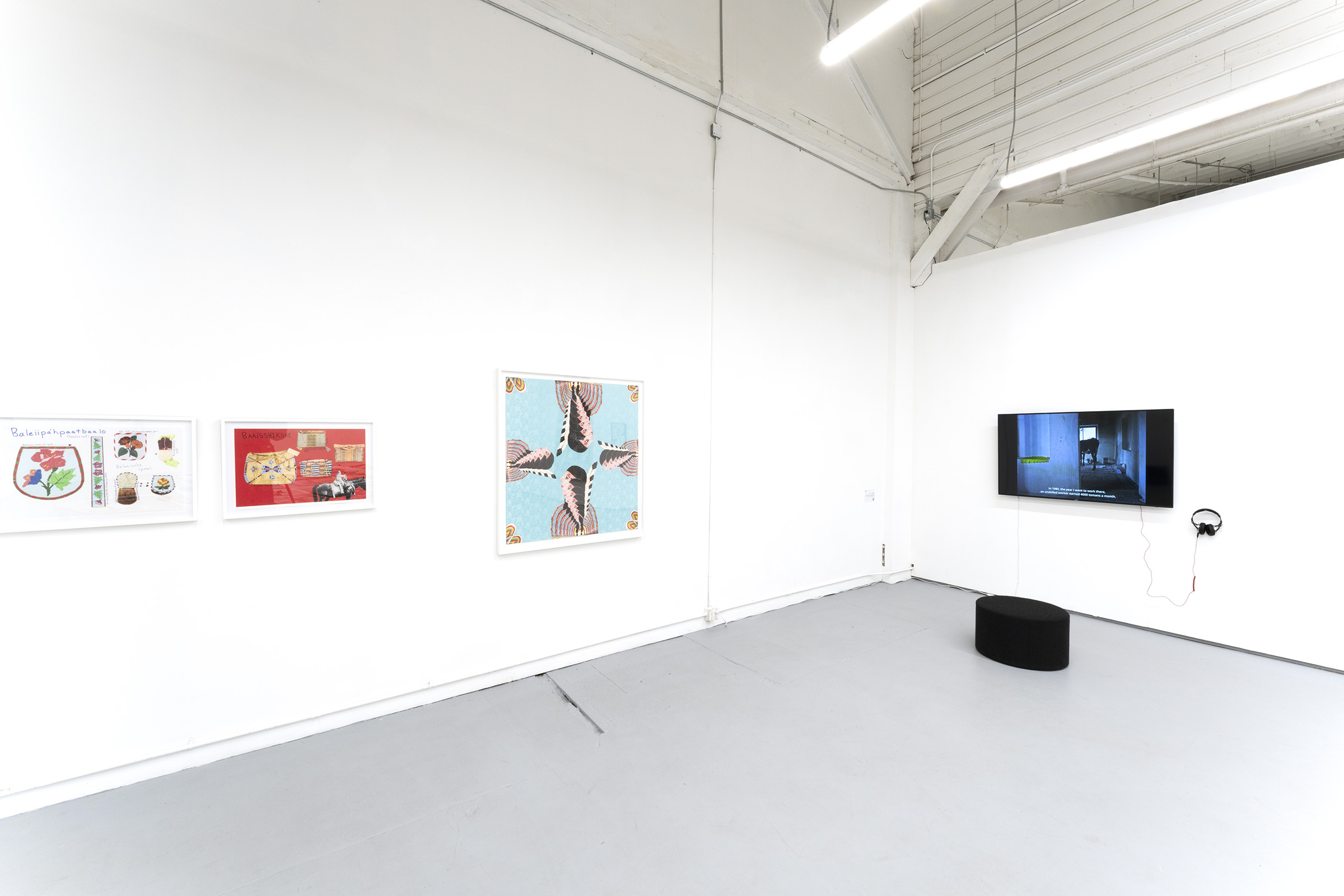
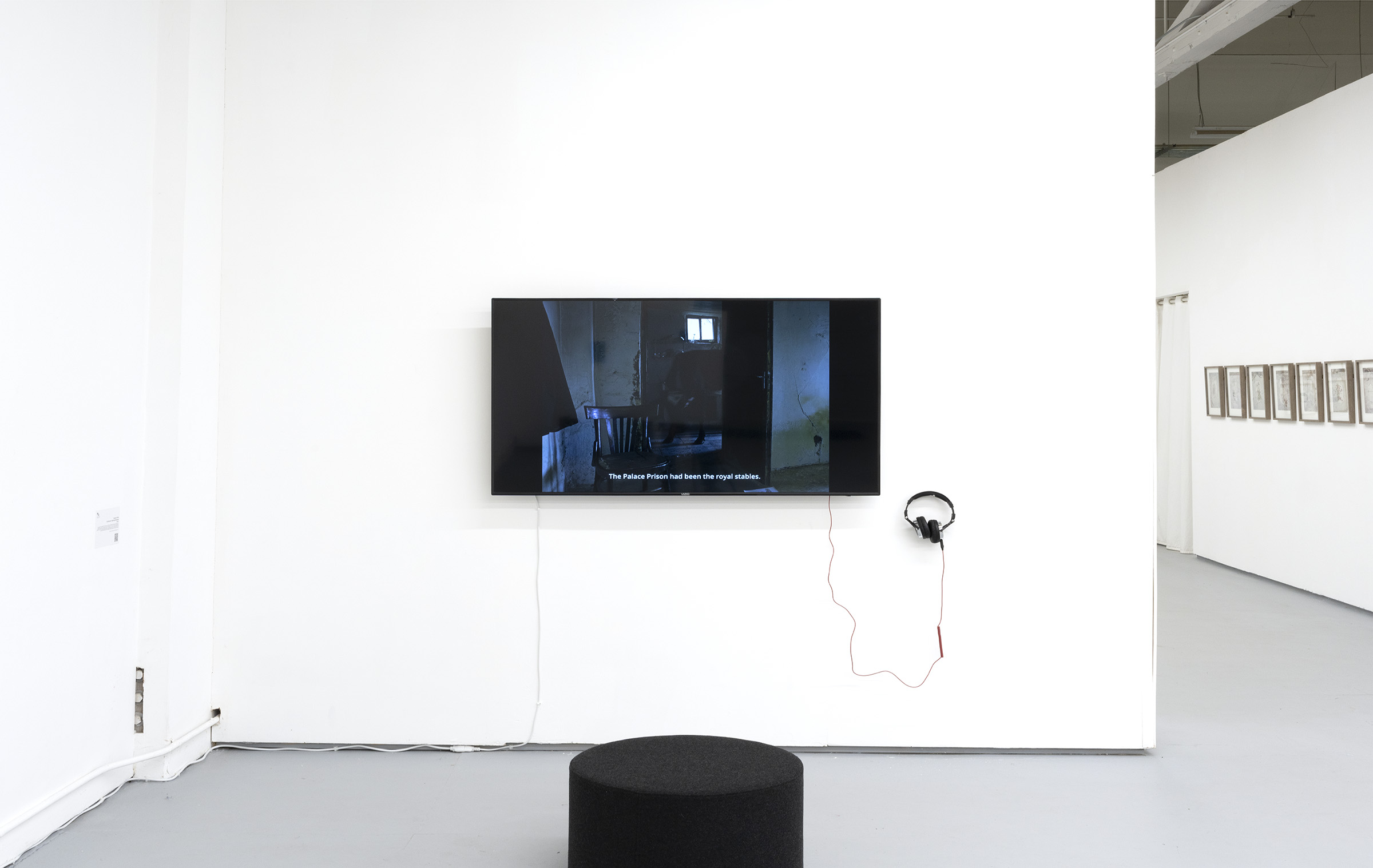

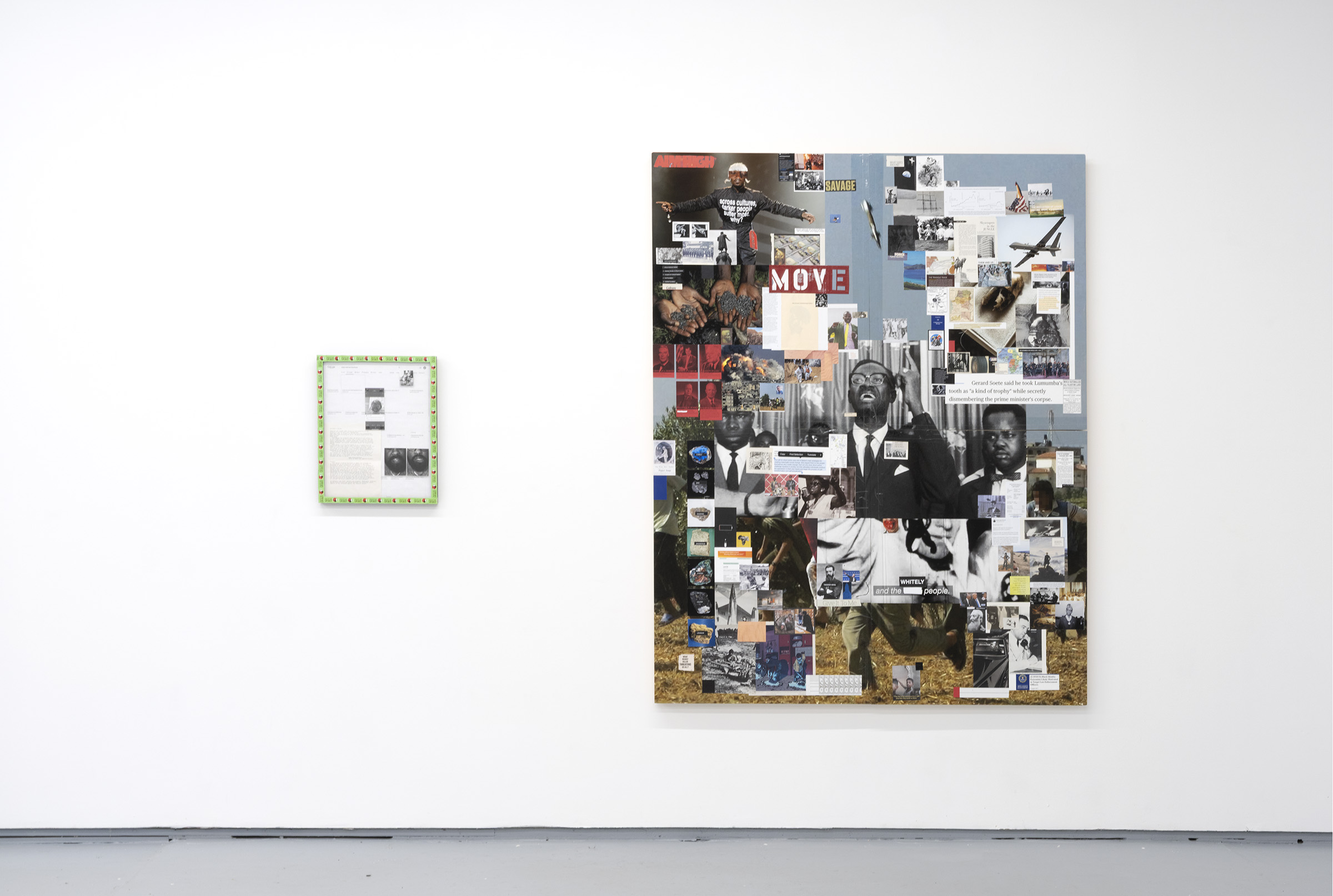
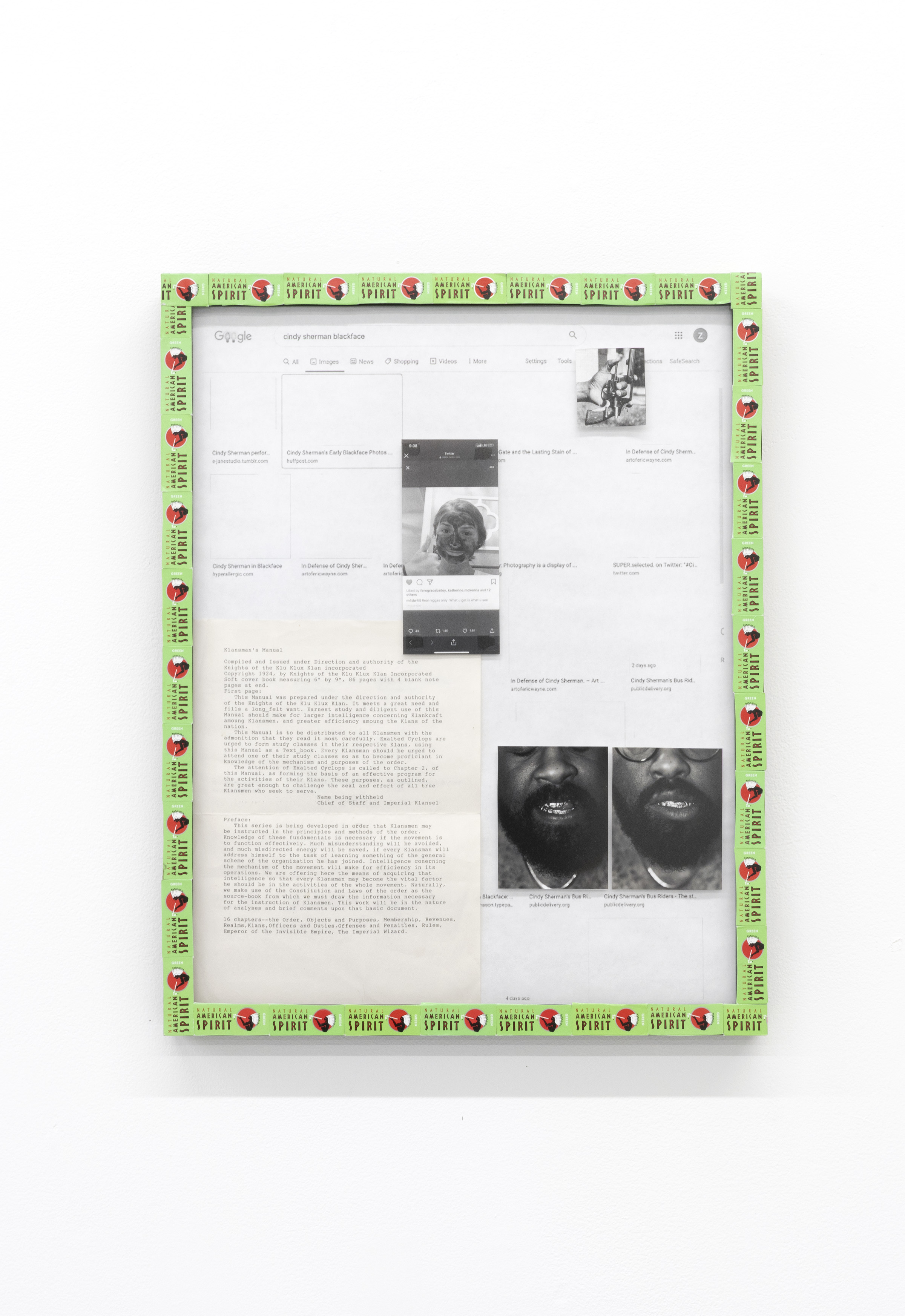
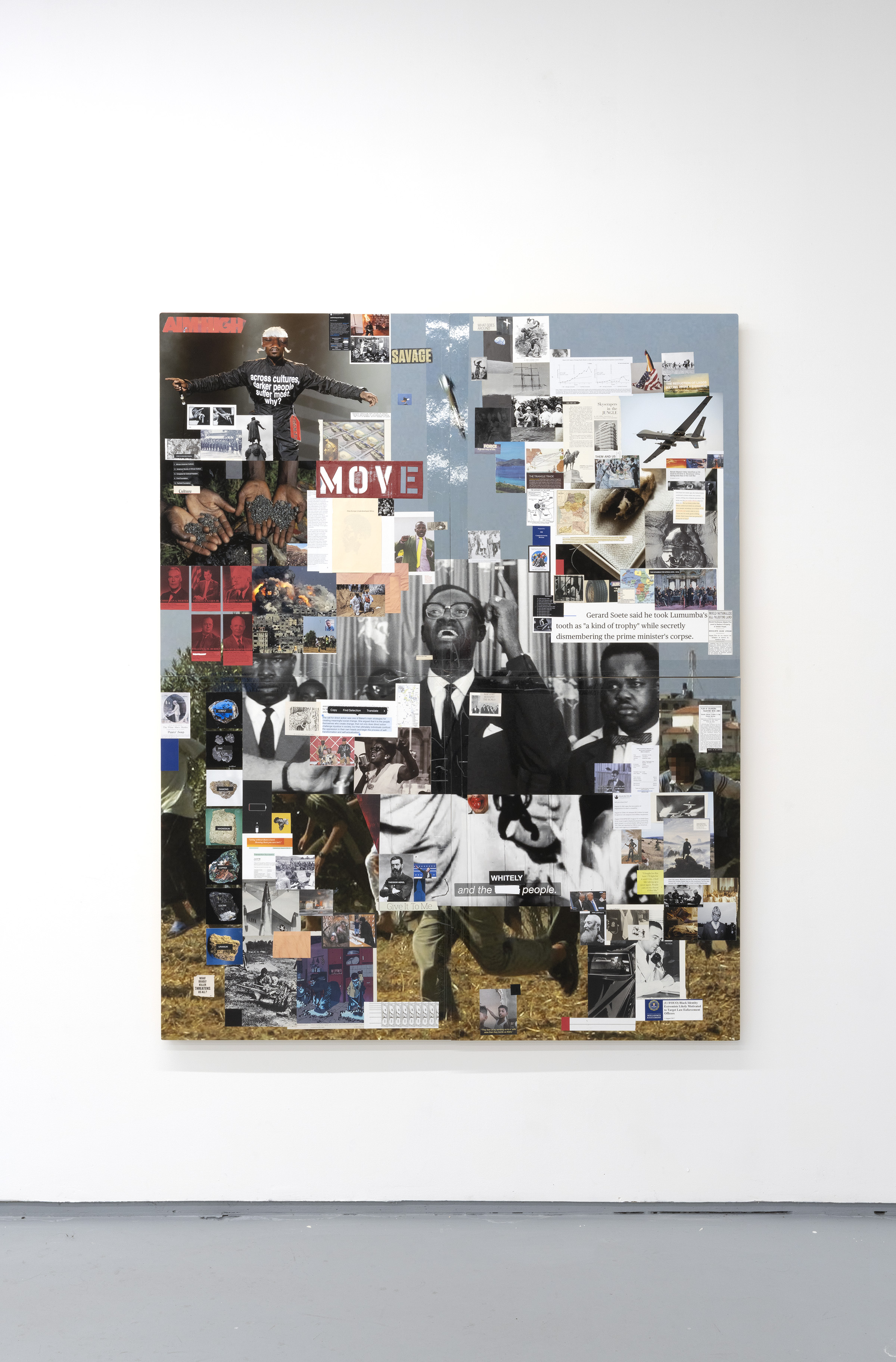


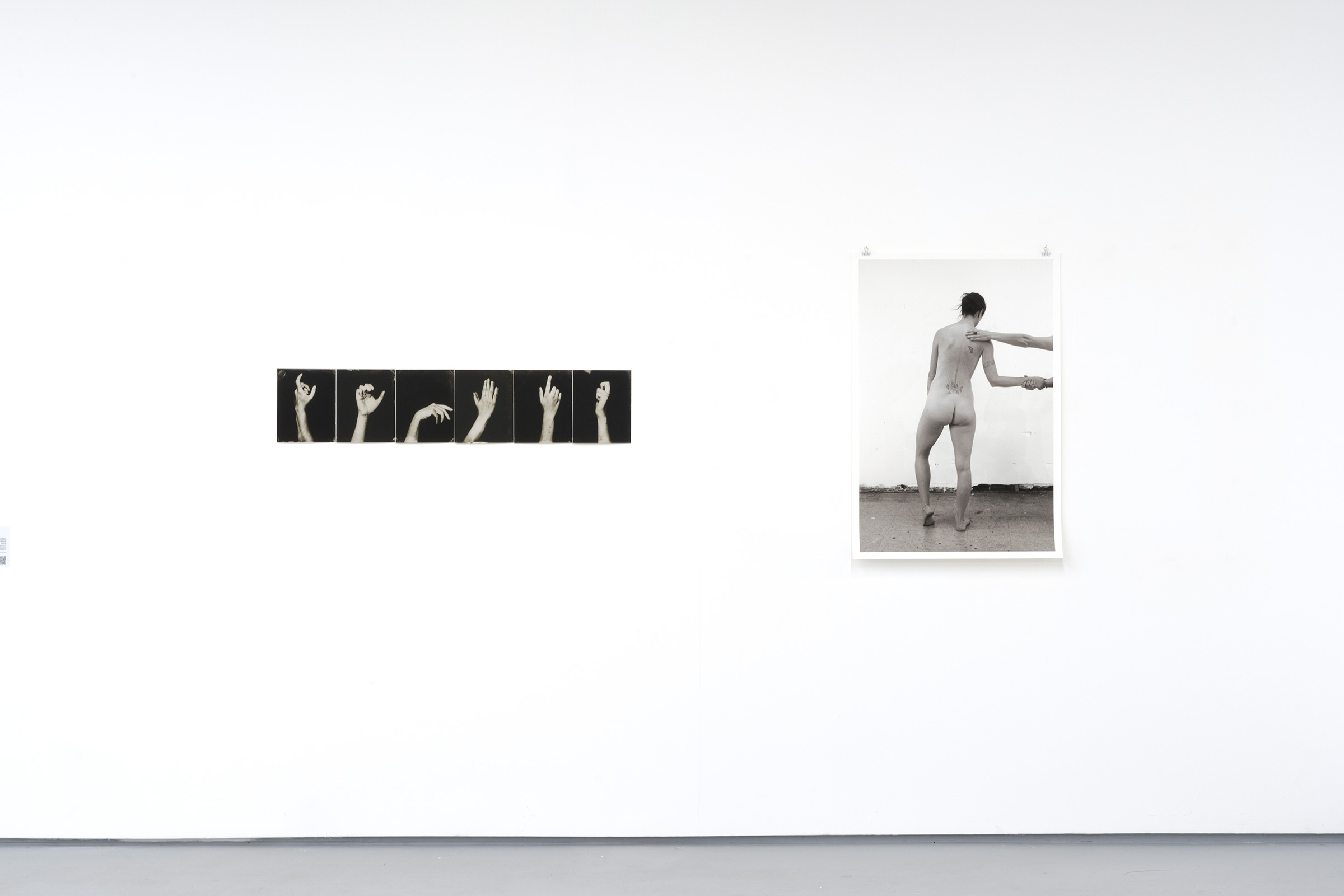
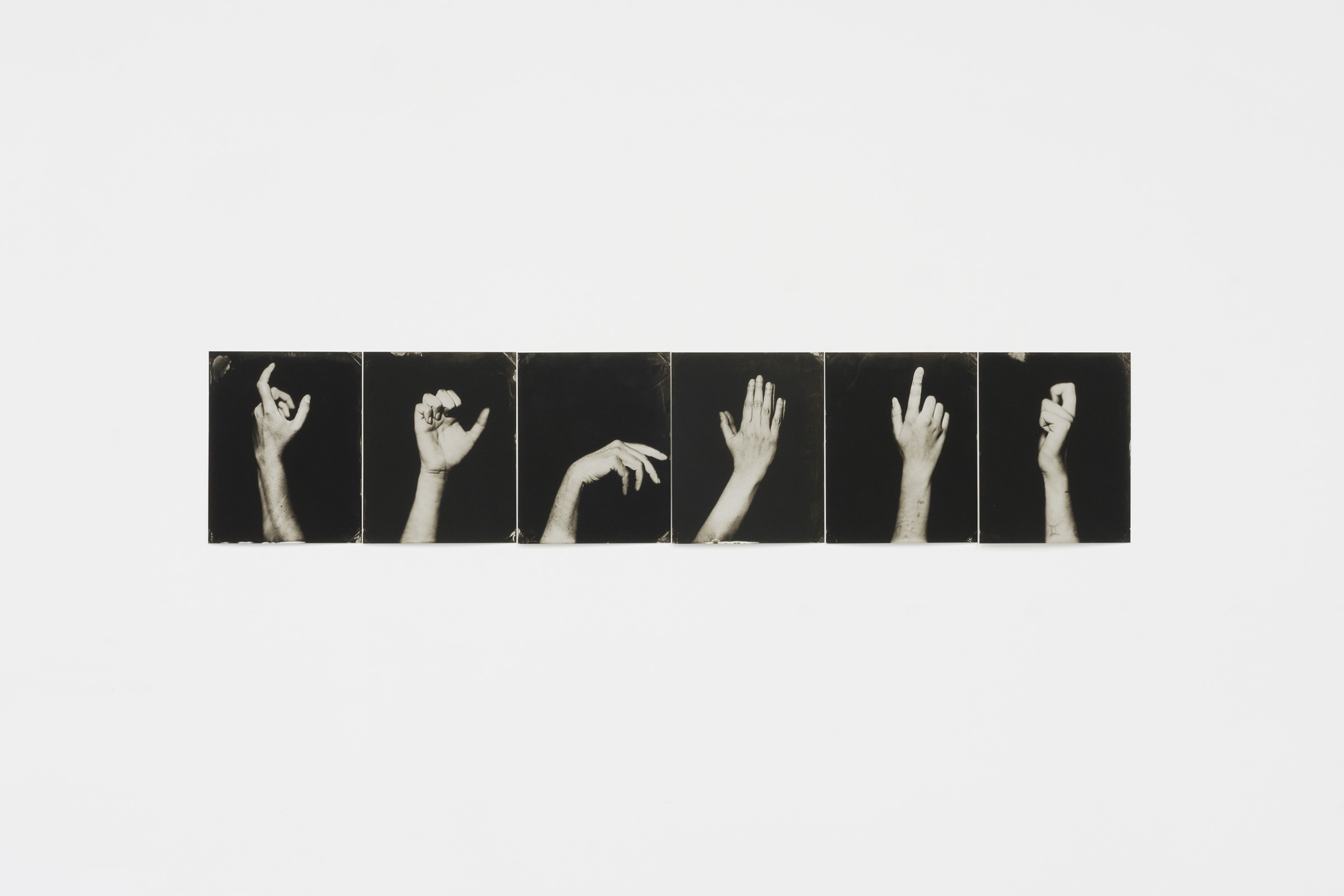

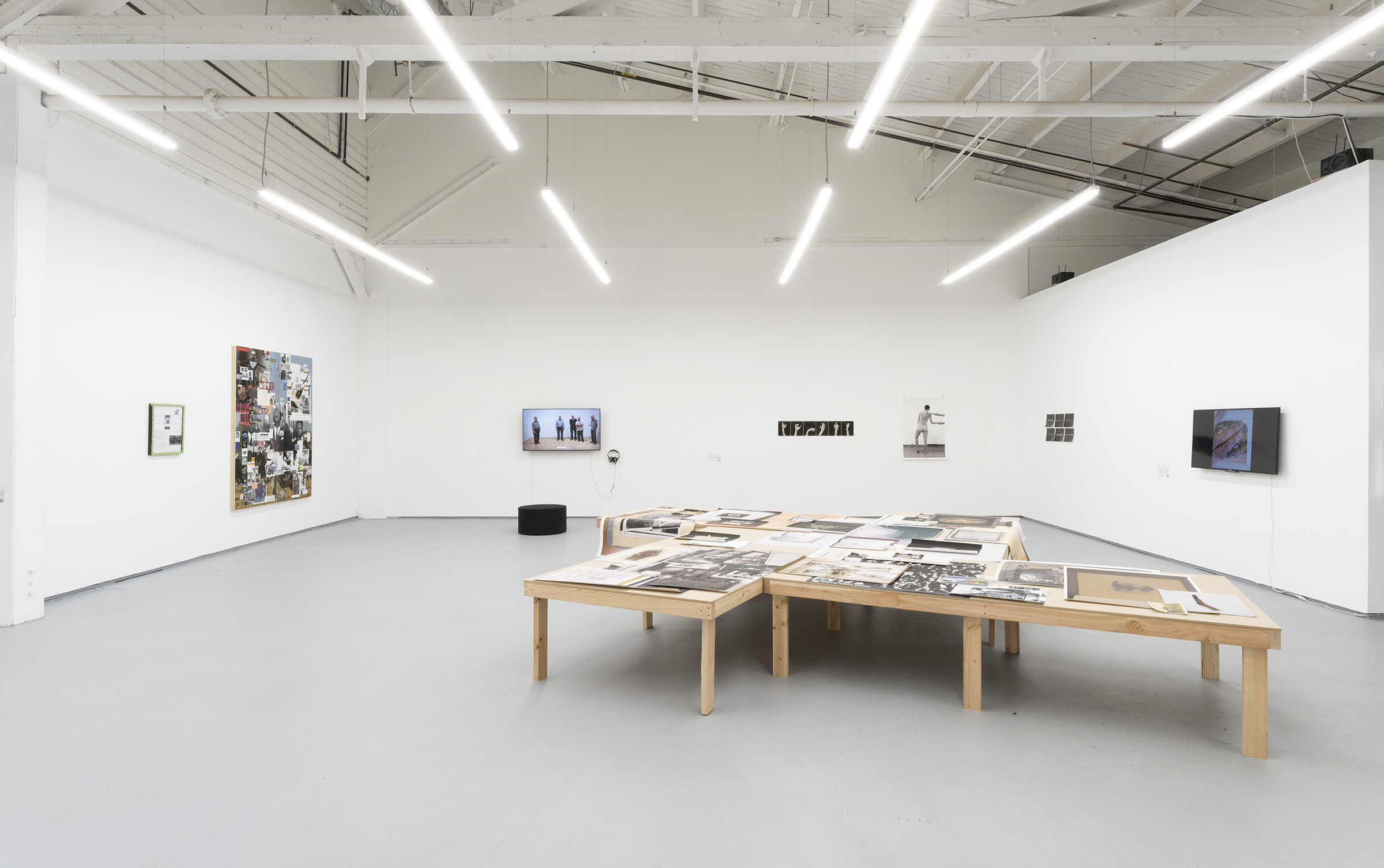
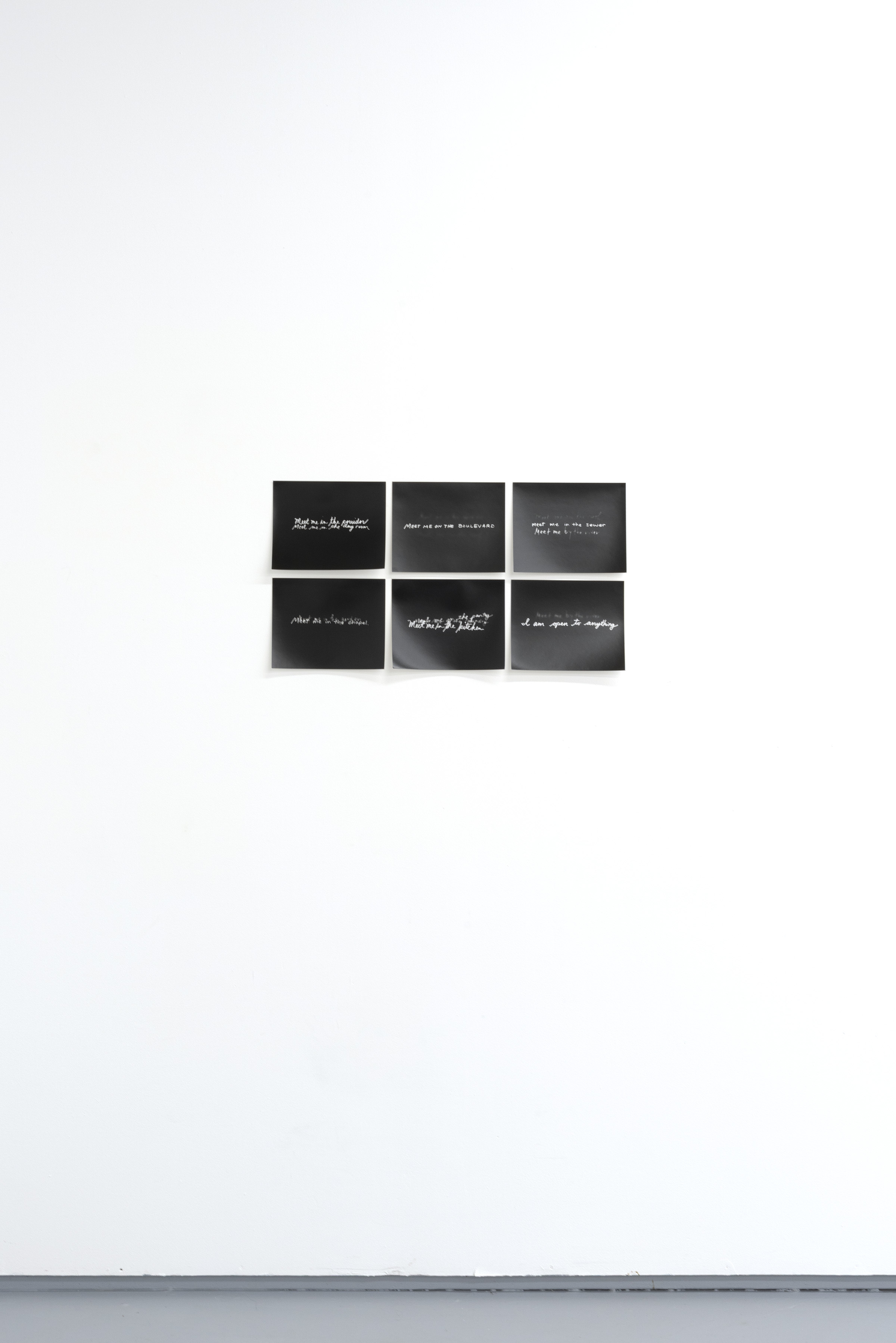

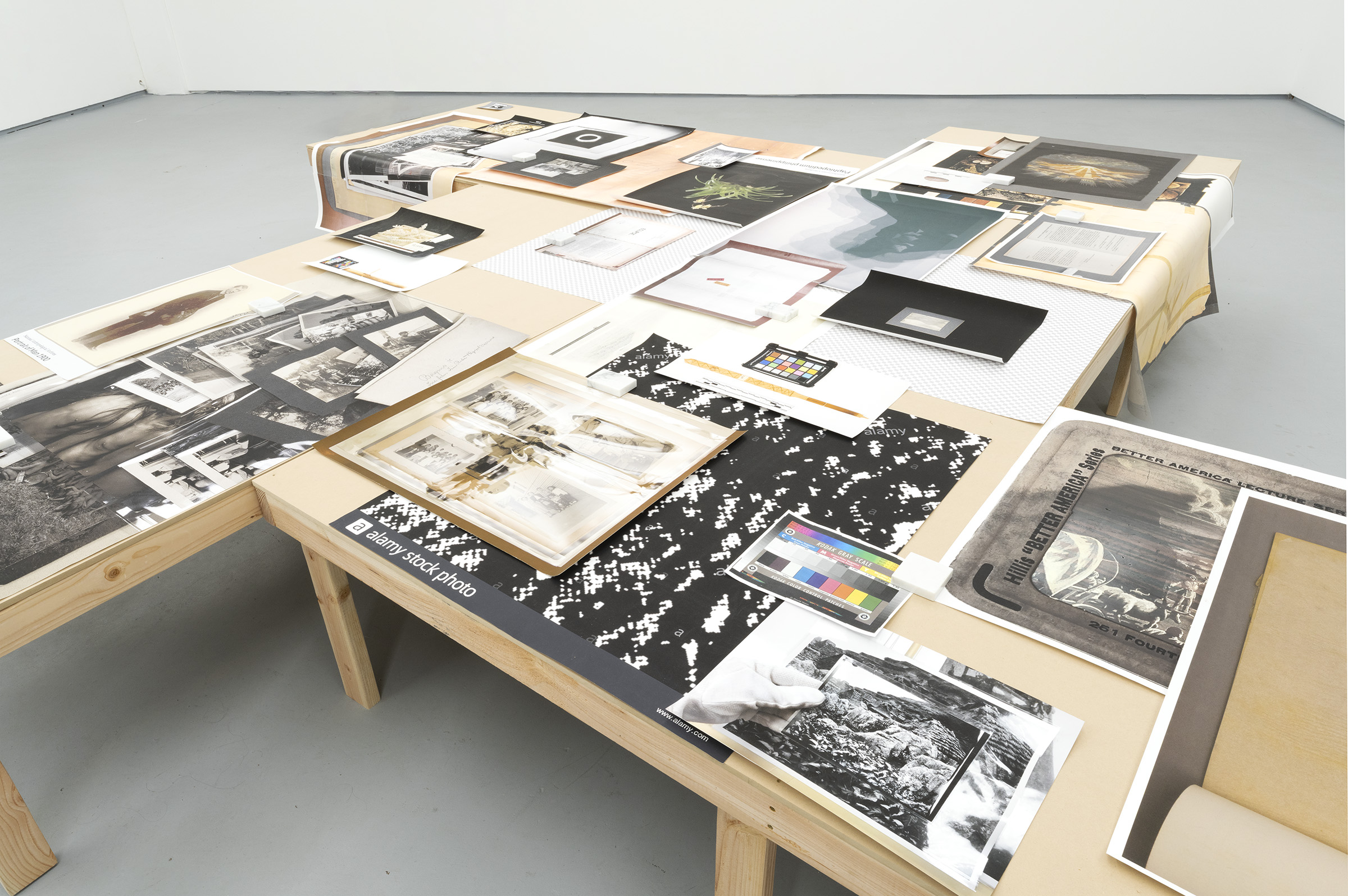
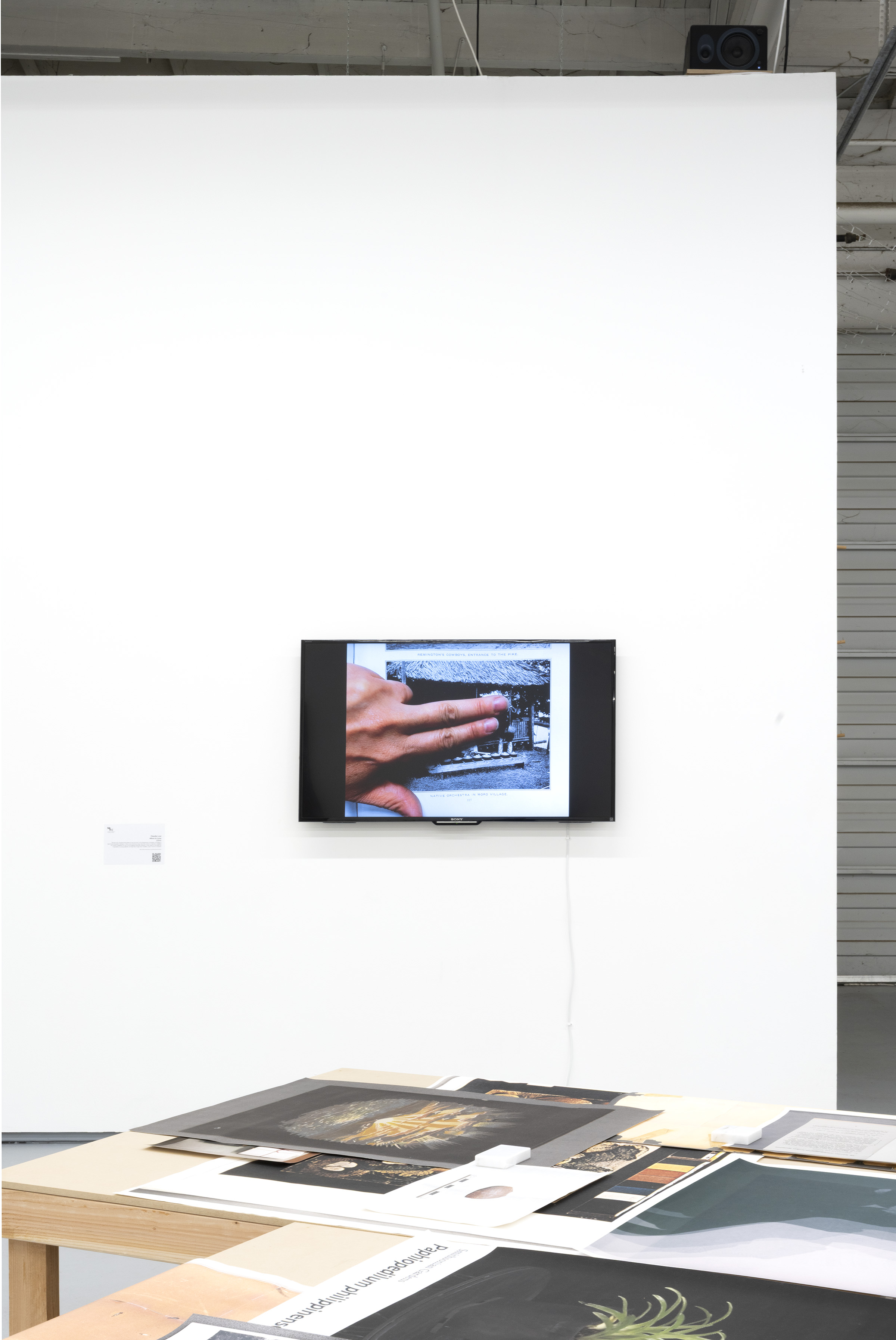
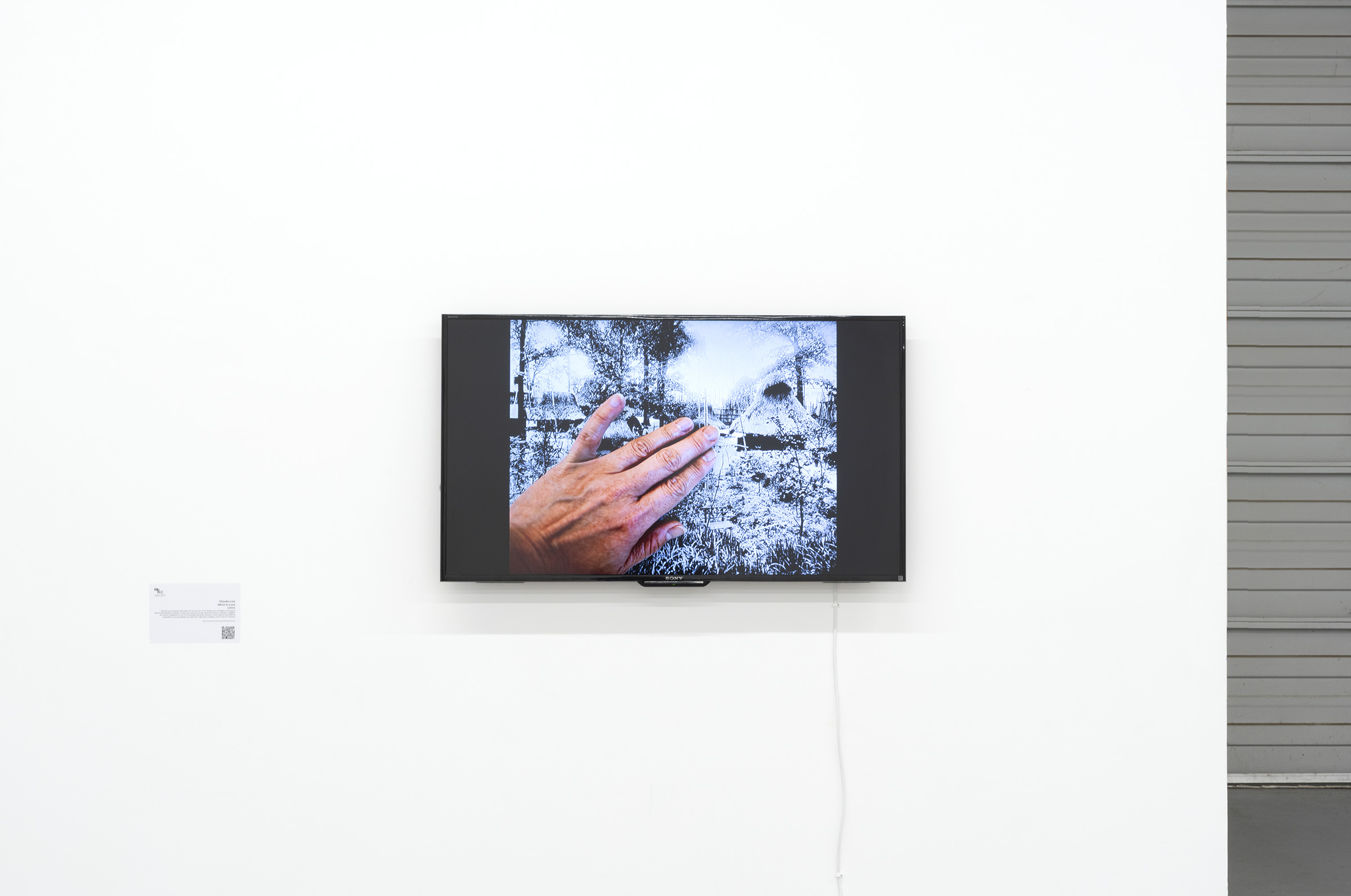
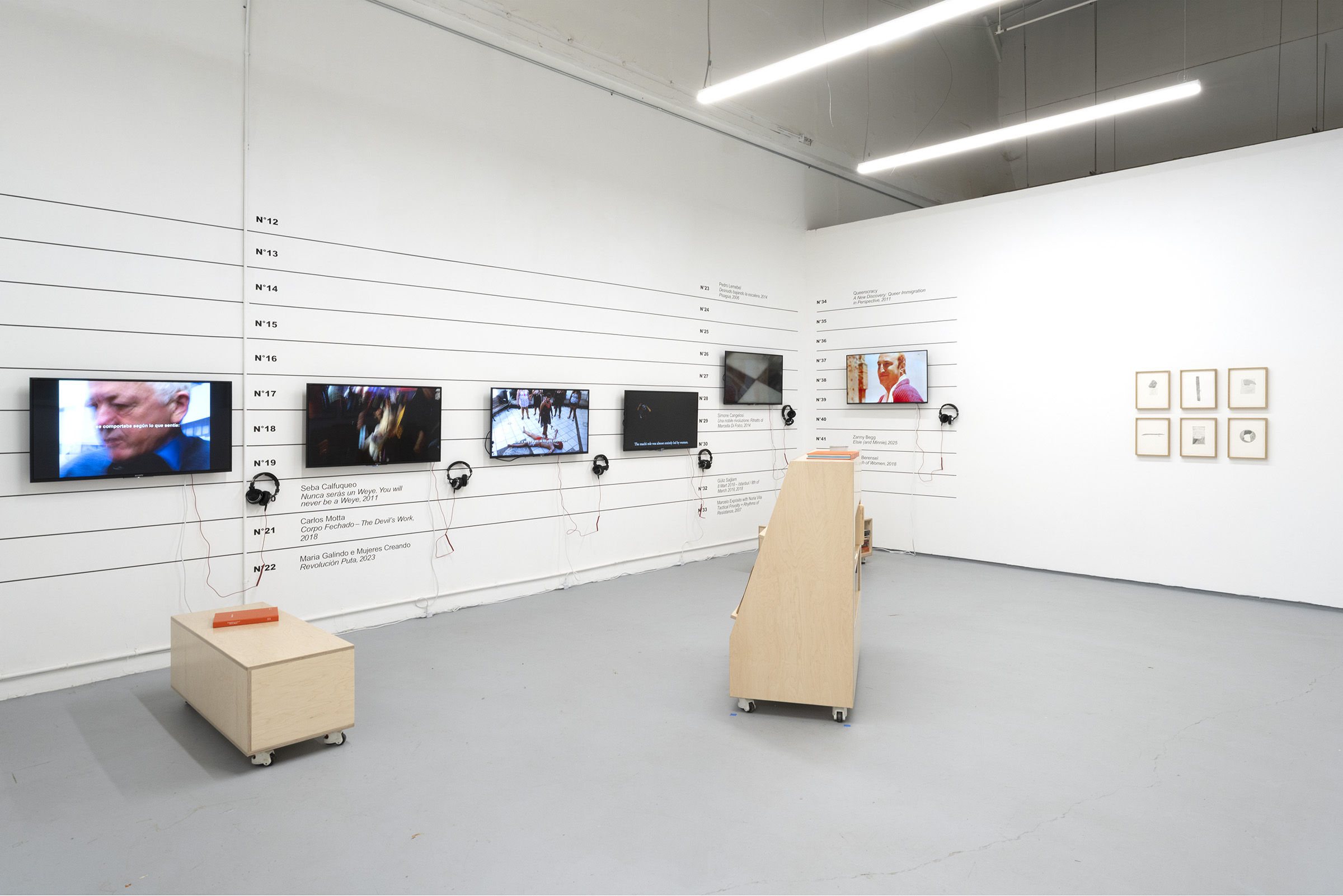
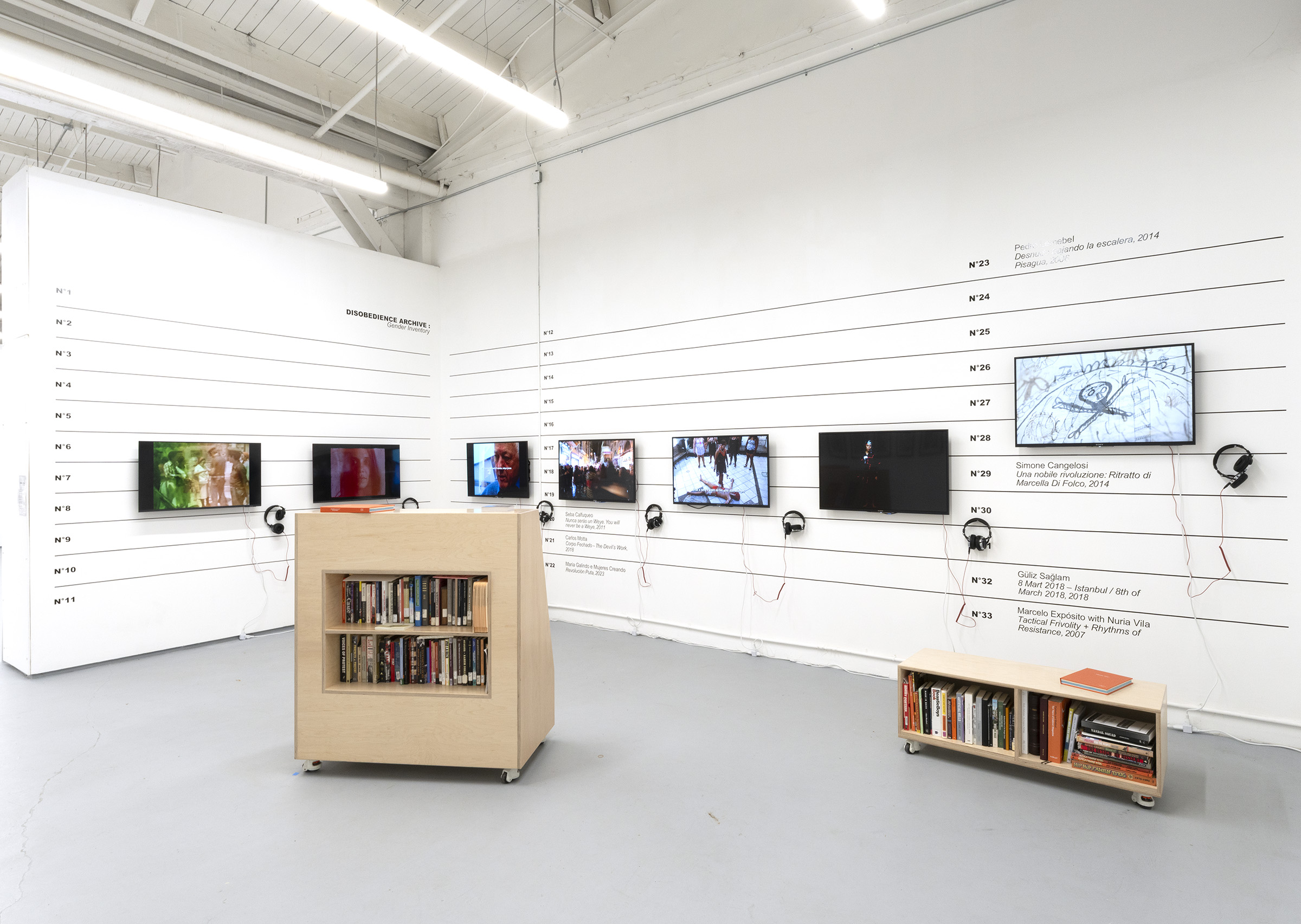
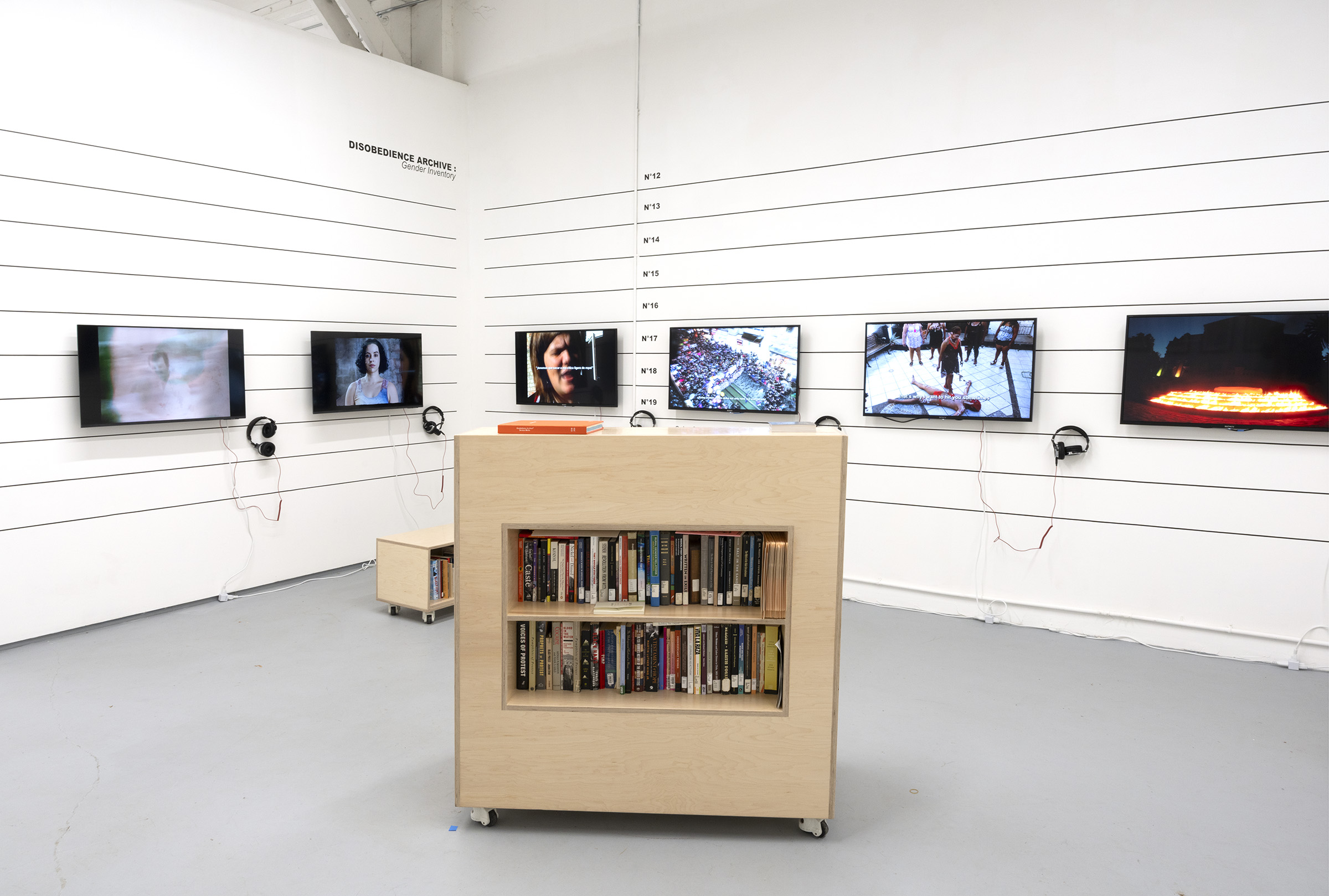
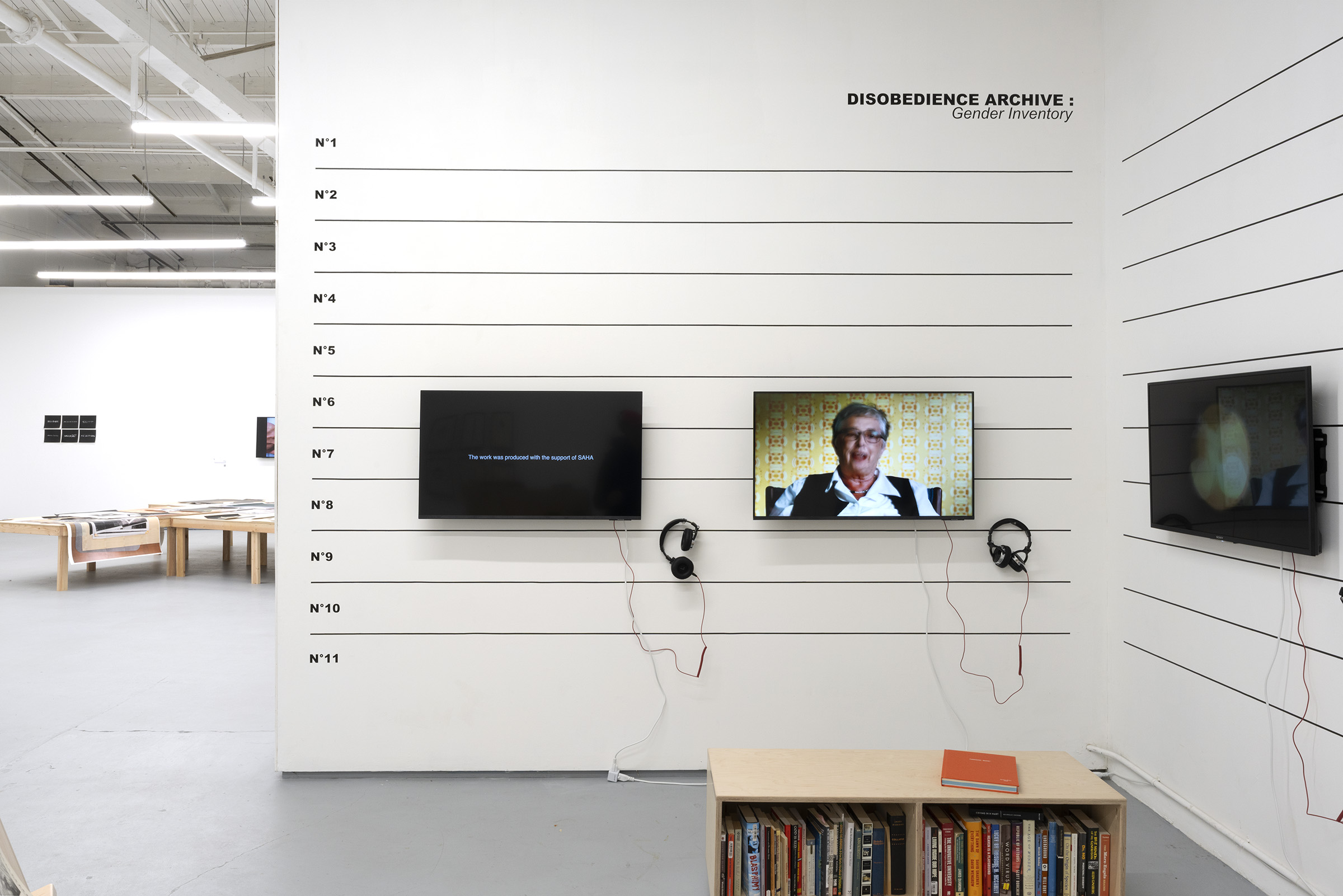


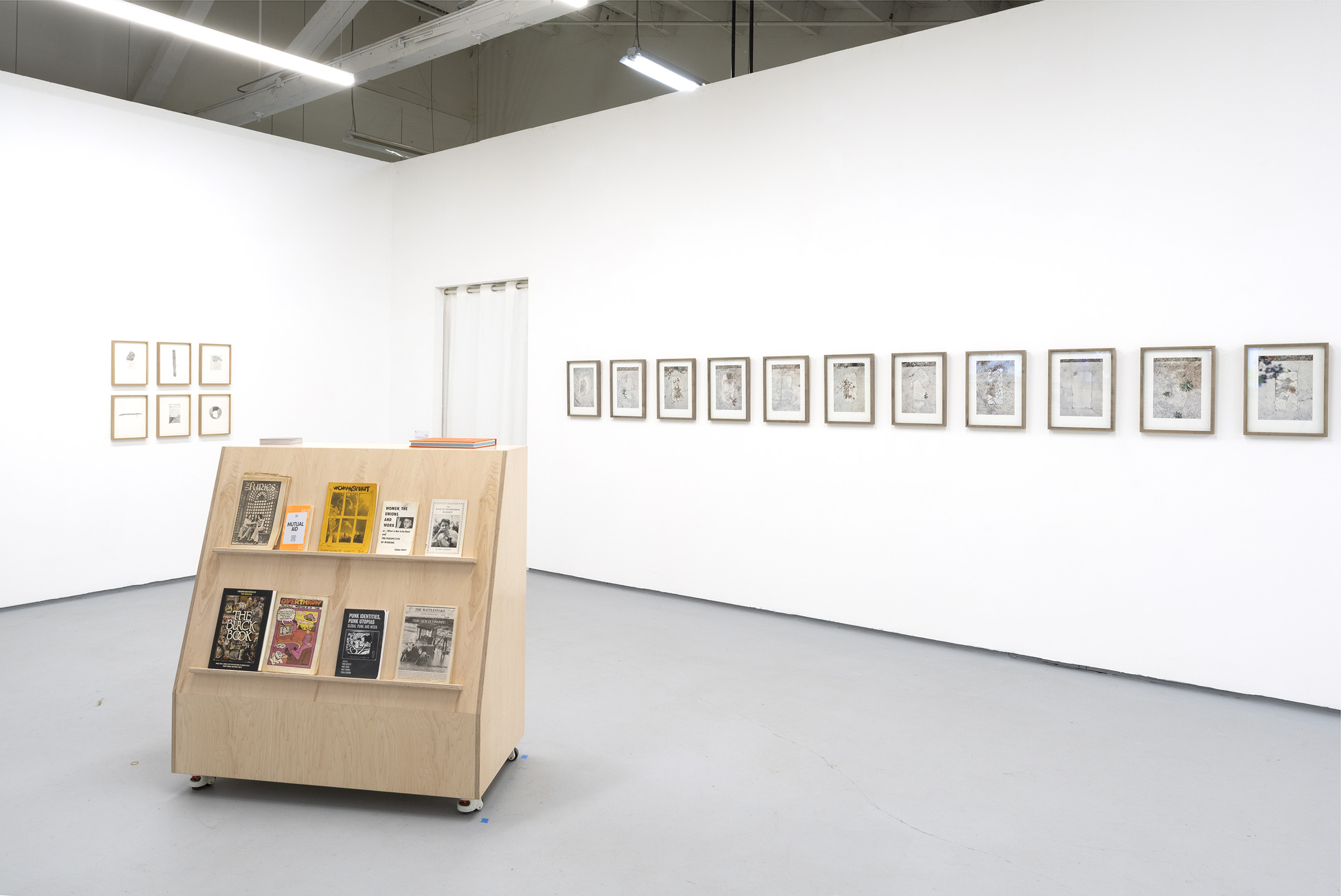


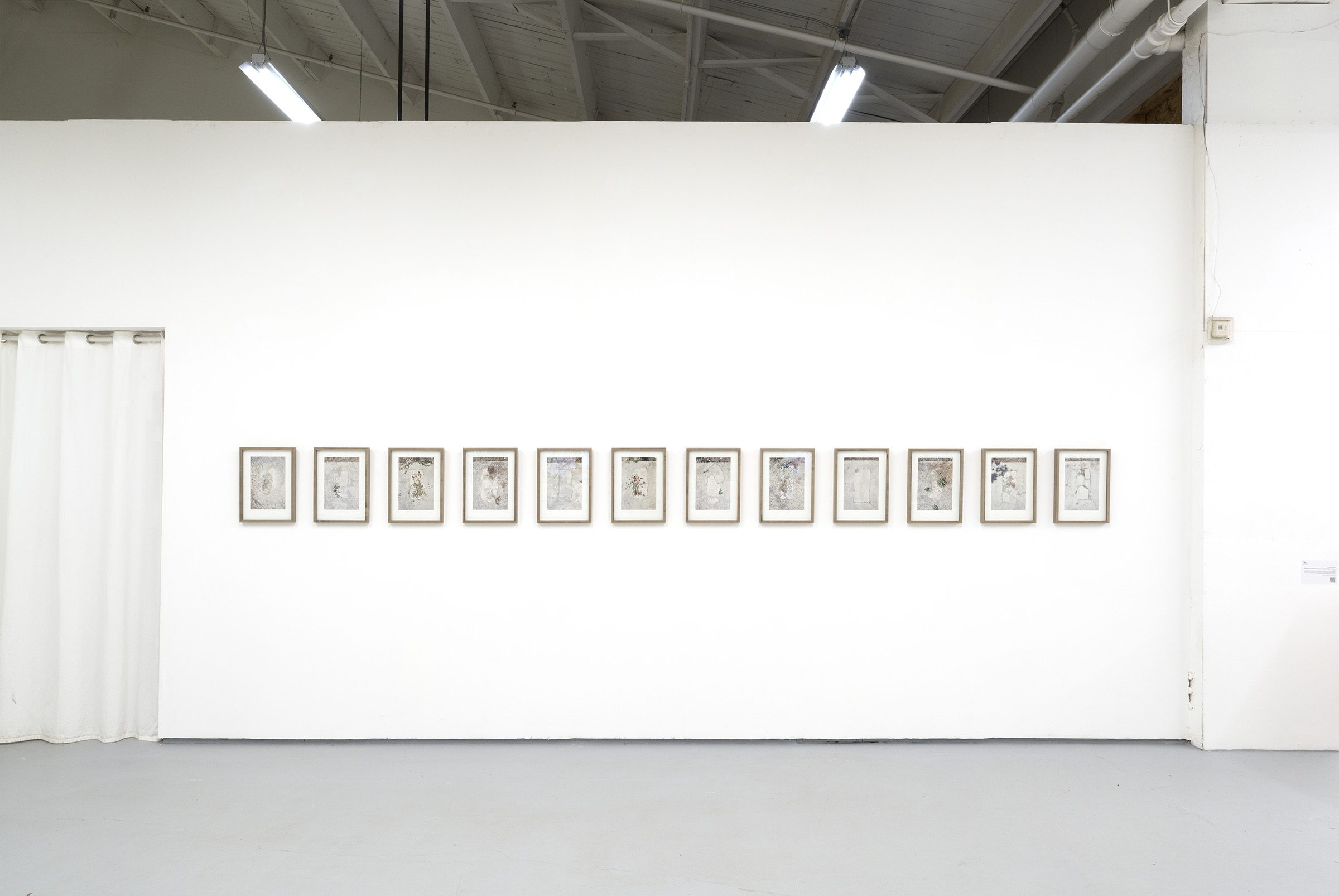
To whisper is to hold words in the mouth, away from the vocal cords, letting them rumble, mutter, whistle or hiss out into the world, often into the ear of another, intent on receiving. This act is sometimes seen as clandestine; a private form of communication intended to incite and arouse rebellion. In this exhibition, we see its potential for arousal as a means of creation: to establish networks of tangential affinities, to parallel multiple modes of artistic and curatorial practice that can expand the potential for historical recovery, and to acknowledge longstanding systems of oppression by engaging practices that assert their own terms of representing subjecthood and empowering sovereignty.
We began the idea for this exhibition by gathering artworks that initiate forms of address through traces of past events in existing archives or document singular moments that necessitate the creation of new archives. This methodology, one that the art historian Hal Foster observed within art practice at the turn of this century, links current contemporary works to early 20th century during which time artists began to unveil the symbolic and, subsequently, the semiotic conditions of objects and images produced, manufactured or advertised within the public sphere.
Following their own archival impulses, the artists in this exhibition have developed practices centered on searching, gathering and instituting connections. They research existing archives, retrieving different typologies of information to reconfigure in their artworks. In this process, they interrogate the institution of organized historical collecting by shedding light on its biases, amnesias, and oversights. Their investigations are ultimately inquiries into the power detained and administered by the archive, as outlined by the French philosopher Jaques Derrida:
there is no political power without control of the archive, if not of memory. Effective democratization can always be measured by this essential criterion: the participation in and the access to the archive, its constitution, and its interpretation.
In this contemporary moment, archives are generally understood as partial and incomplete traces of history, a site where art making is particularly well-suited to venture by way of speculation and reconstruction. The works in the exhibition engage different methods of recasting history in which fact and fiction or subjective and objective histories become intertwined, at times bringing us closer to the lived reality of the past while introducing passageways for dreaming into the future.
These whisperers create a low, bodily rumble through their ruminations on trace elements found in archives, or chance encounters with documents that necessitate deeper contextual inquiry. They conjure relational subjects across time, gather unrealized projects, insist on archiving ostracized histories, and even allow us to understand the somatic qualities of moving through physical materials set aside for posterity.
In the introduction to the anthology dedicated to the Archive in the series published by Whitechapel Gallery / MIT Press, Charles Merewether poses a series of questions:
In what way is the document sufficient in representing those histories where there is no evidence remaining – no longer a thread of continuity, a plenum of meaning or monumental history – but rather a fracture, a discontinuity, the mark of which is obliteration, erasure and amnesia? Furthermore, we may ask: What temporal zone does the document occupy, what is its relation to the past, to the present and even to the future? Is what is materially present, visible or legible adequate to an event that has passed out of present time?
For the artists in this exhibition, the responses are varied, entrusted to different methodologies and media, governed by each artist’s subject position and convened through a breadth of material possibilities. Yet, there is unity to be found in the works; through unsettling and interrogating the archives, the artists summon curiosity, criticality and deep attention as organizing principals that trouble the conventions and presumed accuracy of materials granted cultural and historical value.
– Tannaz Farsi and Simone Ciglia, 2026
This exhibition is made possible by the University of Oregon Department of Art, Center for Art Research and the Ford Family Foundation. Special thanks to Wendy Heldmann, Jeremey Schropp, Noah Greene, Sevaan Perrow, Sarah Miller Meigs, Commonwealth and Council, Ditch Projects and each of the artists for making this exhibition possible.
For further information about the exhibition, visit the CFAR website.